TL;DR
Synastry compares two birth charts to show compatibility, attraction, and growth areas. Focus on Moon, Venus, Mars, and house overlays for a clear relationship picture.
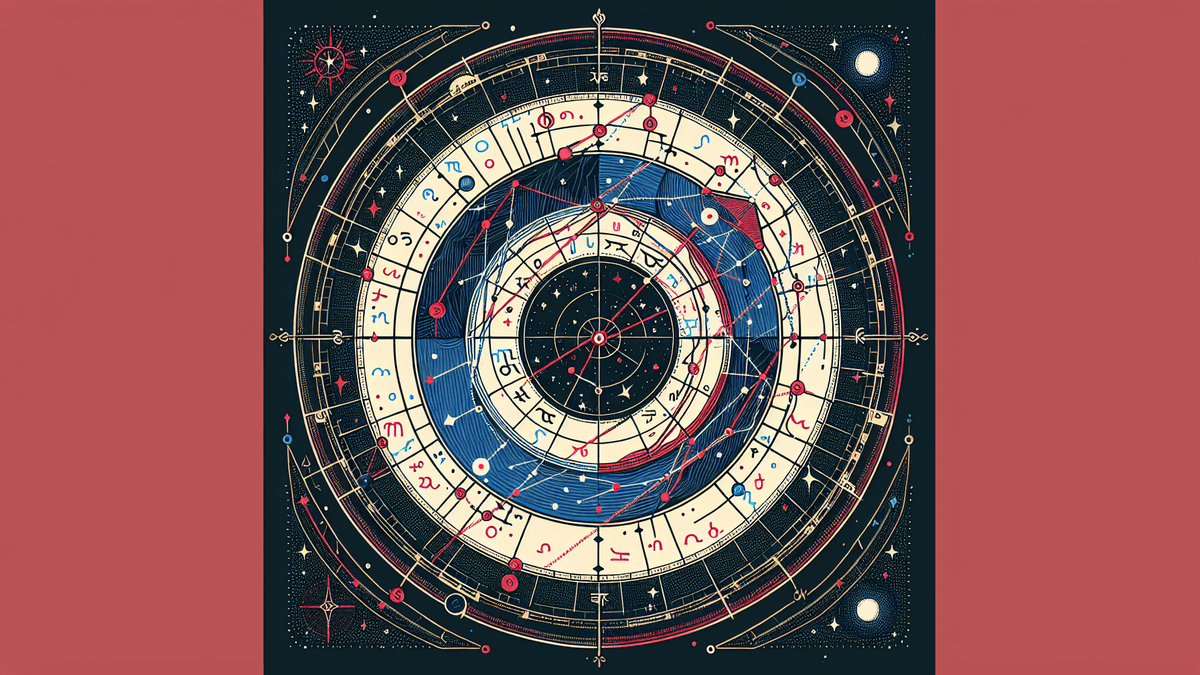
Synastry is the astrology of relationships. It compares two natal charts to show where you feel ease, where you feel chemistry, and where you might need extra care. It’s a tool for understanding, not a judgment.
To create a synastry chart quickly, try the Synastry Compatibility tool. It highlights the most important aspects and overlays in plain language.
If you want general sign pairings, the Compatibility hub offers a helpful overview.
Start with the emotional core: Moon to Moon
The Moon reflects emotional needs, comfort, and instinct. Moon-to-Moon aspects show how naturally you support each other or where emotional pacing feels different.
A trine or conjunction can feel nurturing and easy. A square can bring friction that helps you grow when you communicate clearly.
- Moon harmony = emotional ease.
- Moon tension = growth through understanding.
- Moon houses = where you feel safest together.
Venus and Mars: attraction and chemistry
Venus shows what you value and how you express affection. Mars shows desire and how you pursue what you want. These planets reveal sexual chemistry and romantic style.
Look for Venus-Mars aspects between charts. A trine or conjunction can feel magnetic, while a square can be intense and passionate but requires skillful communication.
| Aspect | Relationship feel |
|---|---|
| Conjunction | Strong attraction, shared style |
| Trine | Easy chemistry, mutual support |
| Square | Passion with learning curves |
House overlays: where you activate each other
House overlays show what parts of life are highlighted by the relationship. If your partner’s Sun lands in your seventh house, partnership is emphasized. If their Mars lands in your tenth house, your career ambitions may be energized.
For accurate overlays, you’ll need birth times. Use the Birth Chart Calculator to get the correct house placements.
Communication and long-term indicators
Mercury aspects show how you think together and solve problems. Saturn aspects show commitment, structure, and responsibility. Uranus and Neptune can add excitement or confusion, depending on how they’re handled.
A relationship with Saturn contacts can feel serious and stable, but it needs warmth and openness. Balance helps everything feel lighter.
- Mercury aspects = communication style.
- Saturn aspects = longevity and responsibility.
- Uranus/Neptune = freedom and imagination.
Synastry vs composite charts
Synastry shows how two people interact. A composite chart blends two charts into a shared chart that represents the relationship itself.
Use synastry to understand personal dynamics. Use the Composite Chart tool to see the relationship’s core theme and purpose.
Healthy synastry practice
Remember that astrology supports communication, not control. Use it to build empathy and awareness. The most compatible charts still need honest conversation and shared values.
If you want ongoing guidance, pair synastry with Love Timing Calendar to plan key dates together.
The role of the Ascendant in synastry
The Ascendant, or Rising sign, is how you present yourself to the world and how others experience you at first impression. In synastry, Ascendant contacts are crucial because they determine how naturally you "see" each other. When your partner's Sun or Moon conjuncts your Ascendant, there is an immediate sense of recognition—they feel familiar, as if you've known them longer than you have.
Challenging aspects to the Ascendant, like a square from your partner's Saturn, can create a dynamic where one person feels judged or restricted by the other's presence. This doesn't mean the relationship is doomed, but it does require awareness. The Saturn person may need to soften their expectations, while the Ascendant person may need to communicate when they feel pressured rather than withdrawing silently.
If you don't have exact birth times, you can't calculate Ascendants accurately. In that case, focus on planet-to-planet aspects, which are still highly revealing. But if both birth times are available, Ascendant overlays add a powerful layer of insight to any synastry reading.
Outer planet contacts: depth and transformation
While personal planets (Sun, Moon, Mercury, Venus, Mars) describe day-to-day dynamics, outer planets (Jupiter, Saturn, Uranus, Neptune, Pluto) describe the deeper currents of a relationship. Jupiter contacts bring expansion and optimism—when someone's Jupiter touches your Venus, the relationship feels generous and growth-oriented. You may travel together, learn from each other, or simply feel more abundant in their presence.
Neptune contacts are dreamy and spiritual but can also create illusion. A Venus-Neptune conjunction between charts can feel like a soulmate connection, but it's important to stay grounded and see your partner clearly rather than projecting an idealized image. If the relationship survives the initial fog of Neptune, it often deepens into something genuinely spiritual and compassionate.
Pluto contacts are the most intense. Pluto aspects bring transformation, power dynamics, and deep psychological insight. A Pluto-Venus contact can feel magnetic and all-consuming. These relationships often force both people to confront their shadows and grow in ways they wouldn't on their own. The key is maintaining respect and equality—Pluto energy can become controlling if it's not handled with maturity.
Practical synastry: a step-by-step approach
If you're new to synastry, here's a simple approach to reading a chart comparison without getting overwhelmed. Start by identifying the five most important contacts. Look at Moon-to-Moon, Venus-to-Mars, Sun-to-Ascendant, Mercury-to-Mercury, and Saturn-to-personal-planet aspects. These five categories cover emotional compatibility, attraction, identity recognition, communication style, and long-term commitment potential.
Next, check the house overlays. Where does your partner's Sun land in your chart? That house is where they shine brightest in your life. Where does their Moon fall? That's where you feel their emotional presence most strongly. A partner whose Sun falls in your fifth house of creativity and romance activates your playful, expressive side. The same Sun in your tenth house activates your ambition and public image.
Finally, look at the overall balance of easy versus challenging aspects. A chart with mostly trines and sextiles feels comfortable and supportive. A chart with squares and oppositions feels stimulating and growth-oriented. The healthiest relationships usually have a mix of both—enough ease to feel safe, and enough tension to keep things interesting and evolving.
Run your comparison through the Synastry Compatibility tool and it will highlight these key contacts automatically, giving you a clear starting point for deeper exploration.
Synastry myths to let go of
One of the biggest myths in synastry is that certain sign combinations are destined to fail. An Aries and a Cancer may have very different communication styles, but their charts could show beautiful Moon-Venus contacts that create deep tenderness. Sun sign compatibility is only the surface layer—never dismiss a relationship based on Sun signs alone.
Another myth is that a "perfect" synastry chart guarantees a perfect relationship. Even the most harmonious chart overlay requires real-world effort: showing up, communicating honestly, and choosing each other daily. Astrology reveals potential, not destiny. Two people with challenging charts who communicate well will outlast two people with perfect charts who avoid difficult conversations.
Finally, avoid using synastry to justify staying in an unhealthy dynamic. If a relationship feels controlling, dismissive, or unsafe, no planetary alignment changes that reality. Use astrology to understand, not to excuse. The best synastry practice empowers both people to grow—separately and together. When used with intention and honesty, synastry becomes one of the most illuminating tools astrology has to offer for deepening the connections that matter most to you.
Frequently Asked Questions
What is synastry in astrology?
Synastry compares two natal charts to show how your energies interact in a relationship.
Do you need both birth times?
Birth times help with house overlays and rising signs, but you can still compare planets by sign without them.
Are challenging aspects a dealbreaker?
Not necessarily. Challenging aspects can lead to growth when handled with awareness and communication.
How can I create a synastry chart?
Use the Synastry Compatibility tool and enter both birth details.