TL;DR
Tarot is a reflective tool. Start with a simple deck, ask clear questions, and use a three-card spread for quick, meaningful insights.
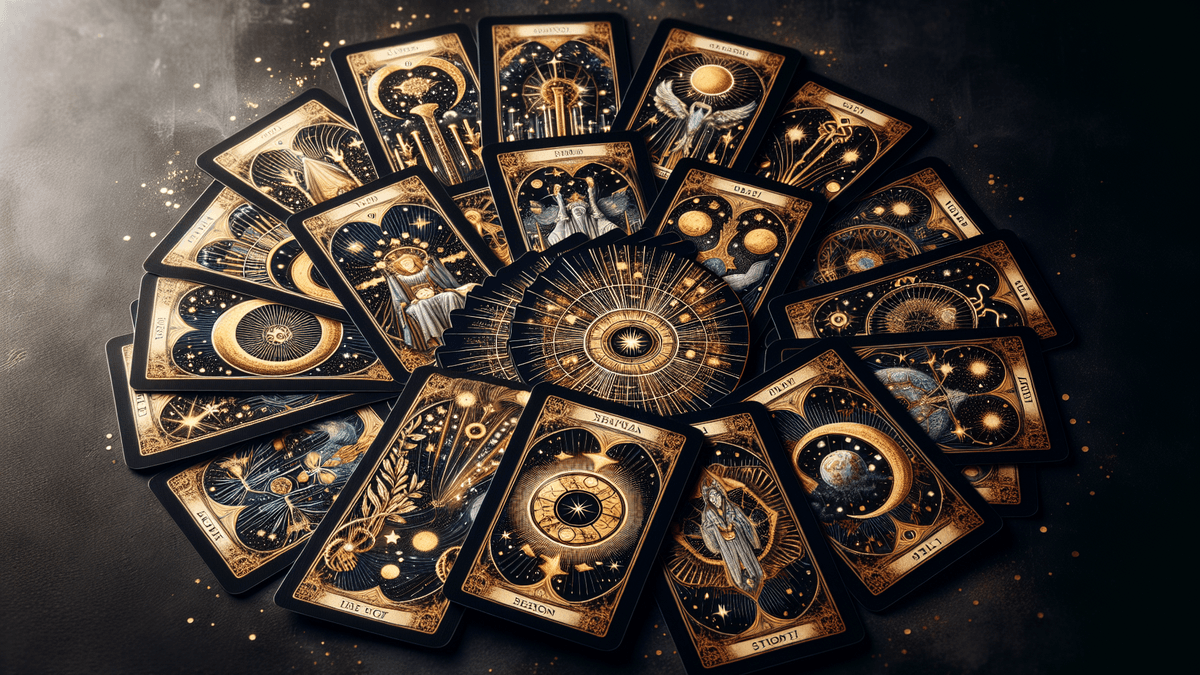
Tarot doesn't require special powers. It's a symbolic language that helps you hear your own intuition. With a little practice, you can read cards for yourself and find clarity in everyday choices.
If you enjoy astrology, you'll love pairing tarot with your chart. Use the birth chart calculator to understand your core themes, then let tarot explore the moment-to-moment questions.
Below you'll learn how to choose a deck, how to ask good questions, and how to read simple spreads with confidence.
"Tarot doesn't require special powers. It's a symbolic language that helps you hear your own intuition."
Choosing your first tarot deck
Start with a deck that feels approachable. The classic Rider-Waite-Smith deck is a great option because most guidebooks reference it, but any deck that speaks to you can work.
Look for clear imagery and a guidebook that explains the basics. You'll learn faster when the visuals tell a story at a glance.
Major and minor arcana in plain language
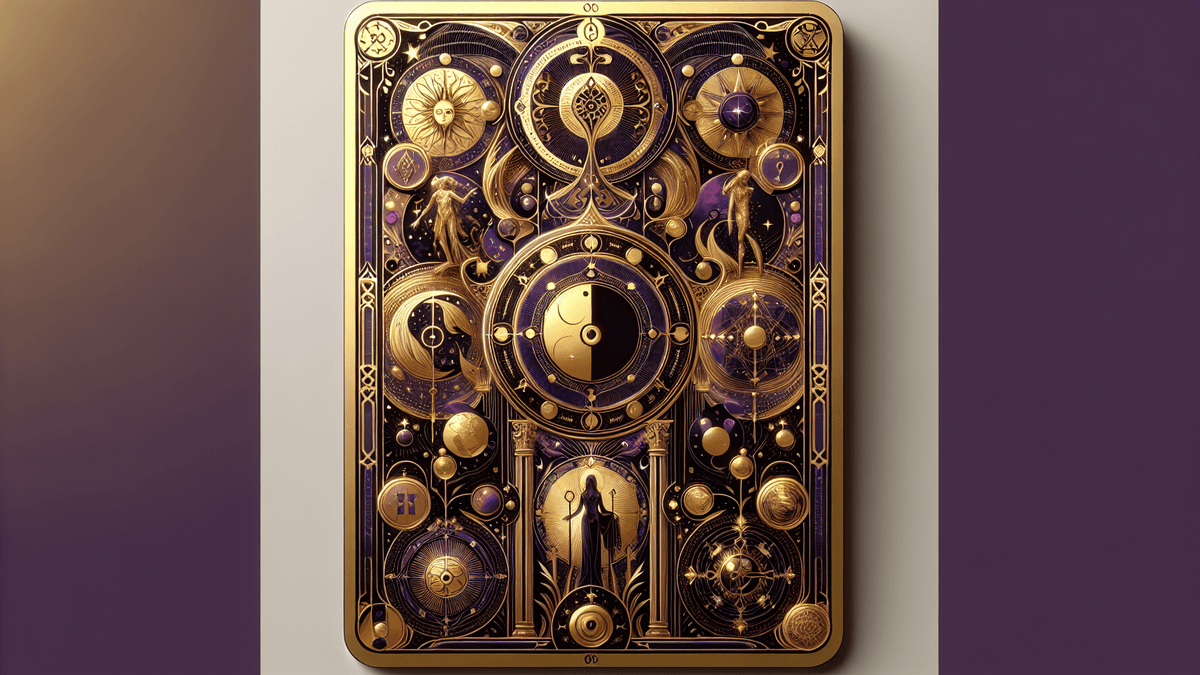
The Major Arcana represents big life themes: the Fool's journey, major transitions, and deep lessons. The Minor Arcana reflects day-to-day experiences in four suits: Wands (action), Cups (emotions), Swords (thoughts), and Pentacles (material life).
Think of Major Arcana as the headline, and Minor Arcana as the details. Both are important.
How to ask better tarot questions
Tarot is most helpful when your questions are clear and empowering. Avoid yes/no questions at first, and ask for guidance instead.
- "What do I need to know about this decision?"
- "How can I support myself through this change?"
- "What is the energy of this relationship?"
If you want more structure, try a spread that mirrors your astrology themes. The birth chart calculator helps you map those themes.
A simple three-card spread
This spread is perfect for beginners and works for almost any question. Shuffle, draw three cards, and place them left to right.
- Card 1: What's influencing the situation now?
- Card 2: What do I need to understand?
- Card 3: What action supports my next step?
Write a few notes about each card. Over time, you'll see patterns in your readings and build trust in your intuition.
Common beginner mistakes (and easy fixes)
Most mistakes are simply from rushing. Tarot rewards patience and curiosity.
- Pulling too many cards - keep it simple at first.
- Asking the same question repeatedly - pause and reflect instead.
- Ignoring your own gut response - it's part of the message.
- Reading only the "textbook" meaning - notice the story in the image.
How to learn card meanings faster
Instead of memorizing every meaning at once, focus on story and suit. Wands are energy, Cups are emotions, Swords are thoughts, and Pentacles are material life. This framework helps you interpret any card quickly.
Choose three cards per week, write a few keywords, and look for them in daily life. This playful approach builds confidence without overwhelm.
Cleansing and caring for your deck
You don't need elaborate rituals, but a little care helps you feel connected to your cards. Shuffle with intention, store the deck in a cloth, and cleanse it occasionally with moonlight or a quick knock on the deck to clear old energy.
The goal is respect and focus. When you treat the deck thoughtfully, your readings feel more grounded.
Create your own reading ritual
A small ritual helps you feel grounded. Light a candle, take three deep breaths, or journal your intention before you shuffle. Ritual builds focus, and focus makes readings clearer.
You can also align your readings with the moon. Many readers set intentions at the new moon and review progress at the full moon.
A gentle daily tarot practice
If you want to build confidence, try a one-card draw each morning. Ask, "What energy should I work with today?" and write down a few keywords. Over time, you'll build a personal dictionary of card meanings.
Pair your daily draw with a short journal entry. Note what happened during the day and how the card showed up. This simple habit turns tarot into a supportive companion instead of a mystery.
- Keep your deck in a clean, dedicated space.
- Pull a card at the same time each day.
- Track your notes to see patterns over time.
A five-card clarity spread
When you're ready for more depth, try this five-card spread. It's still beginner-friendly, but adds nuance to your decisions.
- Card 1: The heart of the situation
- Card 2: What supports you
- Card 3: What challenges you
- Card 4: Advice for the next step
- Card 5: Likely outcome if you follow the advice
Take your time with each card. Describe the imagery, note your first feeling, then look up the traditional meaning. The blend of instinct and structure is where tarot comes alive.
Tarot ethics and healthy boundaries
Tarot works best when it empowers you instead of creating fear. Avoid reading for medical or legal certainty, and focus on guidance, patterns, and personal agency.
A helpful rule: tarot should help you make choices, not make them for you. When you feel overwhelmed, pause, breathe, and ask a simpler question.
- Ask how to support yourself rather than predict outcomes.
- Take breaks if you feel anxious or confused.
- Use tarot alongside practical planning.
Key Takeaway
Tarot is a reflective practice, not a prediction engine. Start with a simple three-card spread, ask empowering questions, and let your intuition grow alongside the traditional meanings.
FAQ
Do I need to be psychic to read tarot?
No. Tarot is a reflective tool that helps you explore patterns and choices.
How often should I read tarot?
As often as it feels helpful. Many people do a weekly or monthly check-in.
What if I pull a 'scary' card?
Cards are symbolic. Even intense cards offer guidance and growth, not doom.
Can I read tarot for myself?
Yes. Self-reads are great for clarity and journaling.