TL;DR
Astrology is a symbolic language that maps sky patterns to human life themes. Start with your birth chart, learn your Big Three, and use planetary cycles as timing cues rather than fixed predictions.
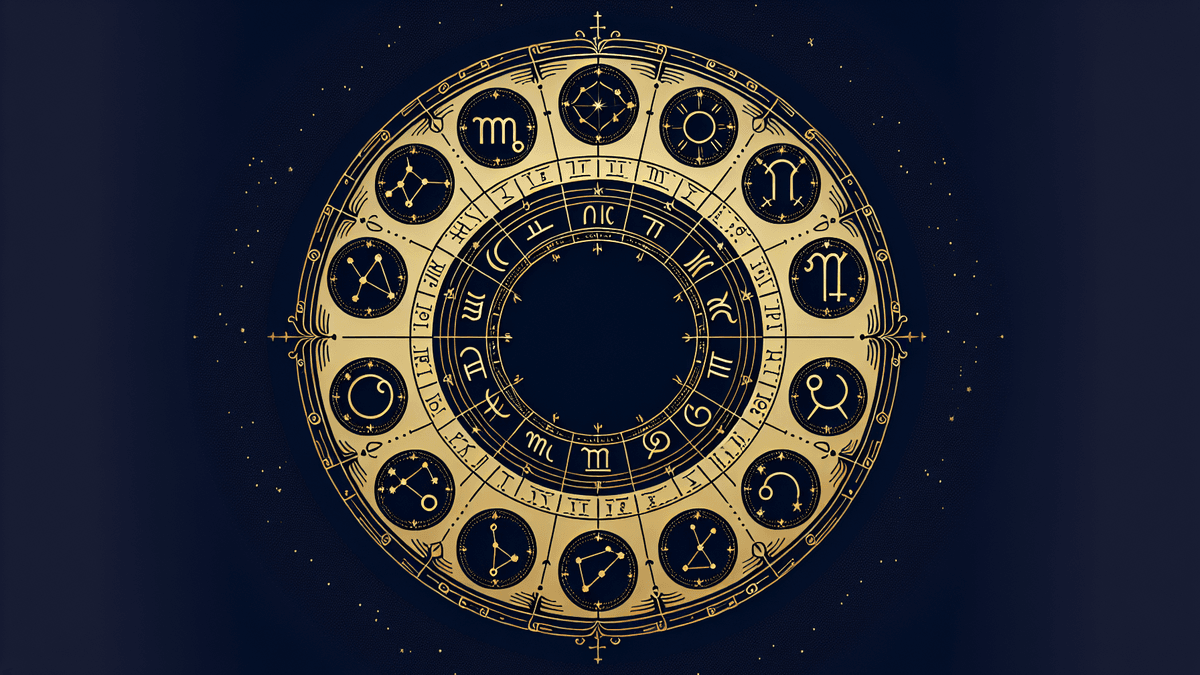
Astrology begins with a simple question: what might the sky reveal about you? The practice uses the position of the Sun, Moon, and planets at your birth to create a snapshot called a natal chart. Think of it as a cosmic map of your inner landscape and the rhythms you tend to move through.
If you want to see your chart right away, try the free Birth Chart Calculator. It gives you the full map in minutes and is the easiest way to get a feel for astrology in action.
Astrology isn't about controlling your future. It's about understanding your patterns, spotting timing windows, and making choices with clarity. Many people use it alongside journaling, coaching, or mindfulness to feel more grounded in their decisions.
"Astrology isn't about controlling your future — it's about understanding your patterns and making choices with clarity."
Where astrology comes from
Astrology has roots in ancient Mesopotamia, Egypt, Greece, India, and China. Across cultures, people noticed that the sky followed a dependable rhythm and that human life seemed to echo those cycles. This led to charting methods that evolved into modern Western and Vedic astrology.
The core idea stayed consistent: the sky is a clock, and astrology is a way to read time in a symbolic, personal way. You can honor that history while keeping your practice practical and grounded.
- Ancient astronomers mapped planetary cycles to seasonal shifts.
- Greek thinkers refined house systems and planetary meanings.
- Modern astrology blends psychology with tradition.
Your birth chart in plain language
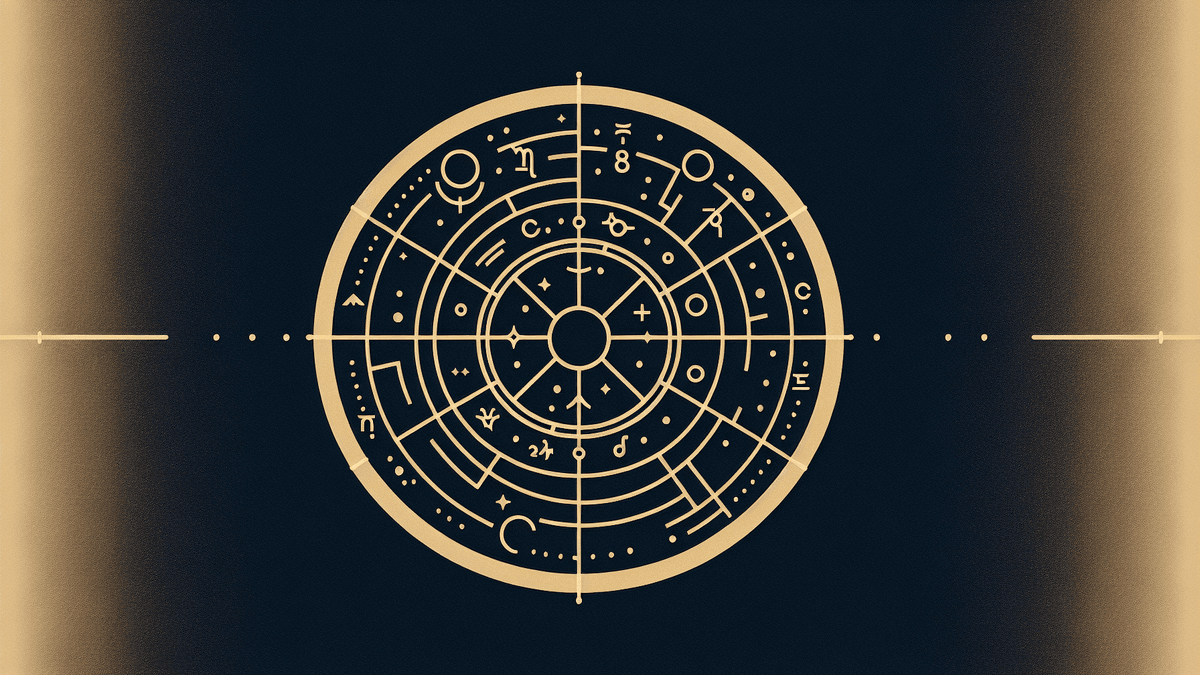
A birth chart is a wheel divided into twelve signs and twelve houses. The signs describe style and tone. The houses show where life events unfold. Planets are the actors, signs are their costumes, and houses are the stages.
If you're new, start with the Big Three: Sun, Moon, and Rising. The Sun describes your core identity, the Moon describes emotional needs, and the Rising sign reflects how you approach new situations. You can find quick summaries on the Zodiac Signs guide.
Big Three snapshot
- Sun: Your vitality and purpose.
- Moon: Your emotional rhythm and inner needs.
- Rising: Your first impression and approach to life.
The twelve houses: where life unfolds
Houses describe life areas such as relationships, work, family, and creativity. When a planet sits in a house, it highlights that area. This is why two people with the same Sun sign can feel very different.
For example, Venus in the seventh house often signals a strong focus on partnership, while Mars in the tenth house adds drive in career matters. Want to explore your house placements? The Natal Report tool breaks them down with clear explanations.
| House | Focus |
|---|---|
| 1st | Identity, self-image |
| 4th | Home, roots, inner life |
| 7th | Partnerships, commitment |
| 10th | Career, public role |
Planets and aspects: the story of motion
Planets represent drives and needs. Aspects are the angles between planets and show how those drives cooperate or clash. A trine suggests flow; a square suggests friction that builds growth.
You can explore current planetary trends on the Horoscope page, or set reminders with Retrograde Alerts to stay aware of timing shifts.
- Track major transits for big themes.
- Notice repeating cycles in your personal chart.
- Use aspects as prompts for reflection, not fear.
How people use astrology today
Modern astrology is practical. People use it to plan launches, understand relationship patterns, and build self-awareness. It can be a gentle mirror rather than a strict rulebook.
If you're curious about relationships, the Compatibility hub gives a grounded overview, while the Synastry tool helps you compare two charts.
Key Takeaway
Start with your Big Three (Sun, Moon, Rising), track the Moon cycle for a month, and use astrology as a compass for self-awareness — not a rulebook for prediction.
A gentle start: your first week with astrology
Begin with small, steady steps. Pull your chart, learn your Big Three, and watch the Moon cycle for a month. This lets you feel the rhythm rather than memorize a dictionary.
Here's a simple plan to follow:
- Generate your natal chart and save it.
- Read short descriptions for each placement.
- Track the Moon's sign daily with the Moon Phase Tracker.
- Journal what feels different across the month.
Frequently Asked Questions
Is astrology a science or a spiritual practice?
Astrology is a symbolic language and a spiritual practice. It uses sky patterns as mirrors for human experience rather than laboratory proof.
Do I need an exact birth time to start?
An exact birth time helps with your rising sign and houses, but you can still learn a lot from your Sun and Moon signs without it.
How do I get my birth chart?
Use a birth chart calculator with your birth date, place, and time to generate a full natal chart with planets, signs, and houses.
Can astrology predict the future?
Astrology describes cycles and themes. It supports planning and self-awareness, but it does not lock you into a fixed outcome.