TL;DR
Yes or no tarot offers quick guidance when your question is clear and specific. Ask a focused question, draw a card, and read the core theme without overcomplicating it.

Yes or no tarot is a fast, focused way to get guidance when you're at a crossroads. It works best for questions that are clear, time-bound, and within your control.
If you want a simple, reliable draw, use the Yes/No Tarot tool. It keeps the reading clean and helps you focus on your next step.
For broader tarot study, explore the Tarot hub with spreads, meanings, and daily insights.
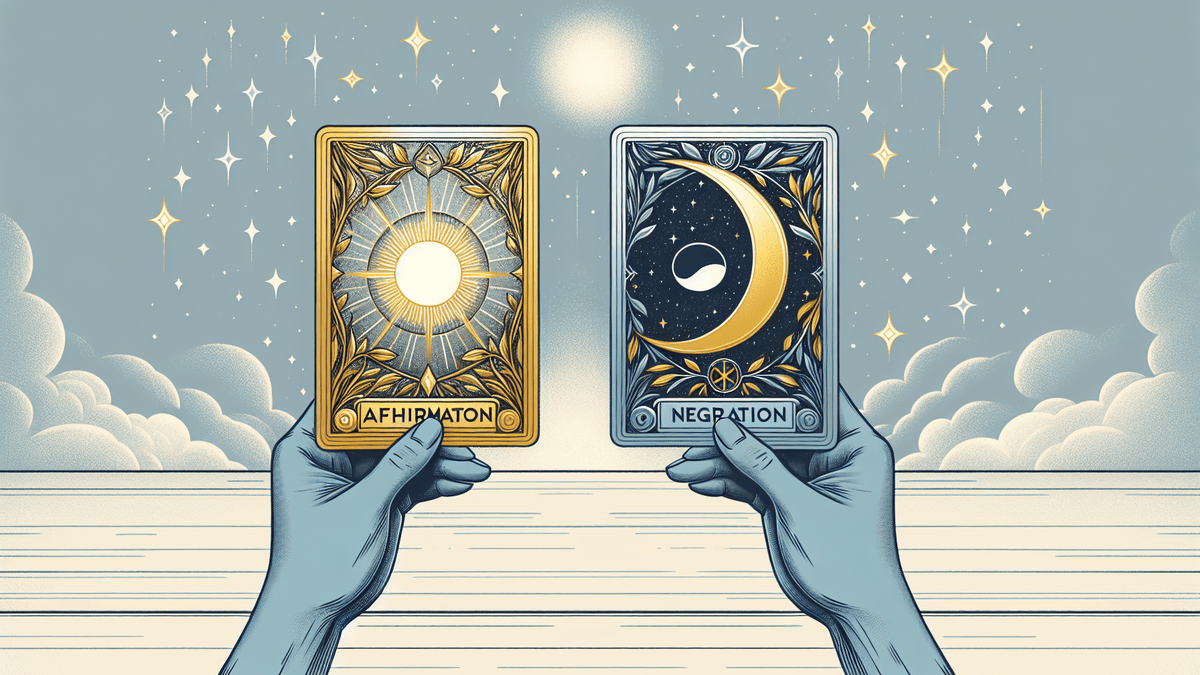
How yes or no tarot works
Tarot is a symbolic language. A yes or no reading turns that language into a quick signal. Upright cards often suggest "yes," while reversed or heavy cards may suggest "no" or "not yet."
The key is not to treat tarot as a verdict. It's guidance that helps you align with your values and sense what feels most supportive.
- Clear question = clear response.
- One card = focused answer.
- Context matters as much as the card.
How to ask better questions
A great tarot question is specific and time-bound. "Will I get a raise this year?" is clearer than "Will I be successful?" Also keep it within your influence.
Try this simple formula: "Is it supportive for me to ___ in the next ___?" You can also check your daily vibe with the Tarot Card of the Day for context.
| Question | Why it works |
|---|---|
| Is it supportive to take the new job in April? | Time-bound, actionable |
| Should I text them today? | Immediate, clear choice |
| Is this partnership aligned with my values? | Value-centered, reflective |
Interpreting the cards with nuance
Some cards are obvious yes (The Sun, The World) and some are clear no (The Tower, Ten of Swords). Many are nuanced. The Hermit might mean "not now," while Temperance might suggest "yes, with balance."
If you want more depth, pull a clarifier or use the Three-Card Spread for past, present, and advice.
- Identify the card's core theme.
- Apply it to your exact question.
- Notice your gut response.
Common mistakes and how to avoid them
The most common issue is asking the same question repeatedly. This creates confusion and anxiety. Give the answer time to play out, then reassess later.
Also avoid questions that require someone else's private choice. Tarot is best used for your own path, not controlling someone else's outcome.
- Don't ask out of fear-pause and breathe first.
- Keep questions within your control.
- Record results to build confidence.
A gentle yes/no ritual
Light a candle, take three slow breaths, and write your question. Draw one card, then write the first impression before looking up any meanings. Your intuition is part of the reading.
You can pair this with a quick check of your chart's Moon sign via the Moon Phase Tracker to set the mood for the reading.
Yes/no tarot card reference guide
While every card carries nuance, having a general yes/no association for each Major Arcana card helps beginners build confidence. Here's a practical reference. Strong yes cards include The Sun (joy, success, clarity), The World (completion, achievement), The Star (hope, inspiration), The Empress (abundance, nurturing), and The Wheel of Fortune (positive change, luck turning). These cards carry an unmistakably forward and affirming energy.
Strong no cards include The Tower (sudden disruption, not the right time), Death (ending, transformation needed first), The Devil (unhealthy attachment, reconsider), Ten of Swords (rock bottom, release and move on), and Five of Pentacles (loss, lack, not aligned). When these appear, they're not punishments—they're redirections urging you to pause, reflect, or change course before proceeding.
Many cards fall in between. The Hanged Man often means "not yet" or "surrender your timeline." Justice means "yes, if you've done the work honestly." The Moon means "unclear—more information is hidden." Temperance says "yes, but with patience and moderation." Learning to read these nuanced cards is where your skill as a tarot reader truly develops. Keep a journal of your draws and outcomes to build your personal reference over time.
Reversed cards in yes/no readings
If you use reversals in your practice, they add another dimension to yes/no readings. A reversed card generally softens or complicates the upright meaning. The Sun reversed might suggest "yes, but with delays or less enthusiasm than expected." The Tower reversed could mean "the disruption is internal rather than external" or "the crisis is being averted."
Some readers choose not to use reversals for yes/no readings because they want a cleaner signal. This is perfectly valid. If you're just starting out, try both approaches over a few weeks and see which produces results that resonate more with your actual outcomes. There's no single correct method—the best system is the one you use consistently and trust.
If a reversed card confuses you, ask yourself: "Does this feel like a blocked yes or a softened no?" Your gut response is data. Write it down alongside the card and revisit it after the situation resolves. Over dozens of readings, you'll develop a reliable intuitive language for reversed cards that's unique to your practice.
Building a yes/no tarot journaling practice
The fastest way to improve your yes/no tarot accuracy is to keep a reading journal. Each time you do a reading, record the date, your exact question, the card drawn, your initial interpretation (yes, no, or maybe), and your gut feeling. Then add a follow-up entry once the situation resolves. Did the outcome match your reading? What did you learn?
Over time, patterns emerge. You might notice that the Two of Cups consistently signals yes for relationship questions in your practice, or that the Five of Wands always precedes a period of conflict that resolves positively. These personal associations become more valuable than any book because they're calibrated to your unique energy and reading style.
A simple journal format works best. Use a notebook or a digital note with three columns: Question, Card, and Outcome. Review it monthly. Within three months, you'll have enough data to trust your readings with real confidence. Pair this with daily draws from the Tarot Card of the Day to build fluency with the deck without the pressure of a specific question.
When yes/no tarot isn't the right tool
Yes/no tarot is powerful for binary decisions, but some questions need a richer spread. If your question involves multiple options, complex timing, or deep emotional processing, a three-card or Celtic Cross spread will serve you better. The Three-Card Spread tool offers past-present-future context that a single card simply can't provide.
Questions about other people's private choices are also poor fits for yes/no tarot. "Will they call me?" puts the focus on someone else's free will. A better question would be: "Is it in my best interest to reach out to them this week?" This keeps the agency with you and gives tarot something meaningful to work with.
Health and legal questions should always be directed to qualified professionals first. Tarot can offer emotional and spiritual perspective, but it is not a substitute for medical advice, legal counsel, or financial planning. Use it as a complementary tool alongside real-world expertise, and your readings will be both more ethical and more accurate.

Frequently Asked Questions
Can tarot really answer yes or no questions?
Yes, when the question is clear and time-bound. Tarot offers guidance and probabilities rather than guaranteed outcomes.
How many cards should I draw?
A single card or a three-card spread is common. The Yes/No Tarot tool provides a quick, focused draw.
What if I get a confusing card?
Look at the card's core theme and consider your context. You can pull a clarifier if needed.
Is it okay to ask the same question repeatedly?
It's best to wait. Repeating the same question too soon can add noise rather than clarity.